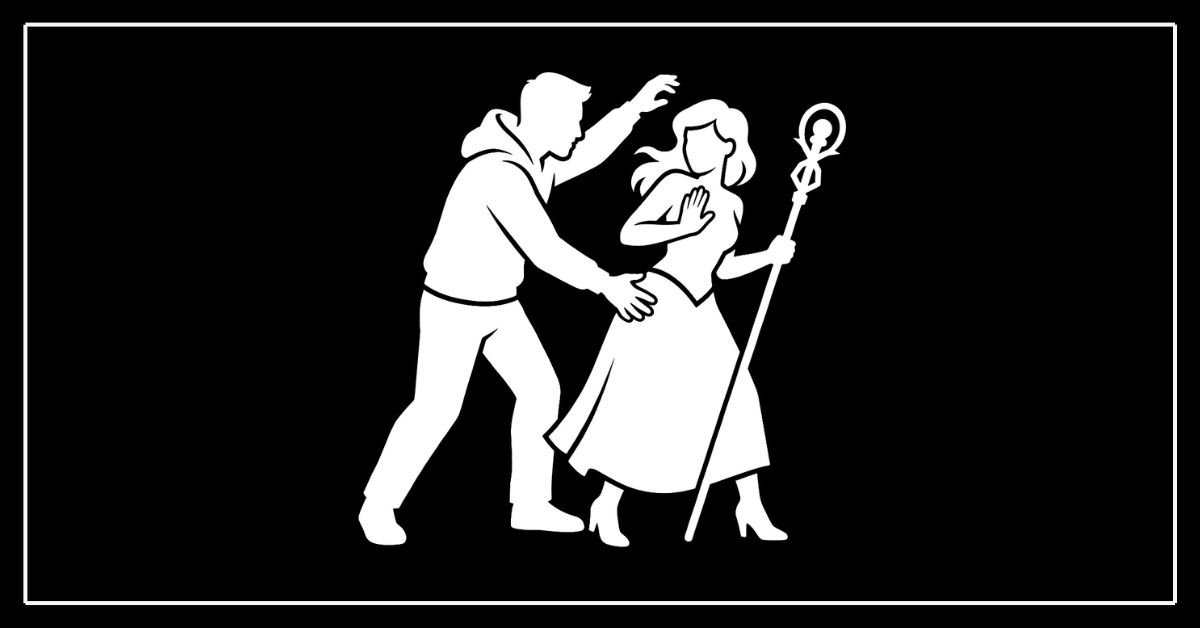
Cosplay is one of the most expressive forms of fandom, bringing characters to life through creativity, and passion. However, the dark side of convention culture remains a persistent issue: harassment. From inappropriate comments on the con floor to targeted online abuse, cosplayers frequently deal with unwanted behavior that threatens their safety and enjoyment.
To create lasting change, we need to examine who bears responsibility for cosplay harassment and how everyone plays a role in stopping it.
1. The Perpetrators
Primarily responsibility rests on the individuals who commit harassment. Whether on a convention floor or across social media platforms, harmful behavior falls into a few distinct categories:
- Boundary Pushers: Attendees who touch costumes, wigs, or cosplayers without consent, step into personal space, or refuse to take “no” for an answer.
- Entitled Photographers & Fans: Individuals who treat cosplayers as public property, demanding poses, taking “stealth” photos without permission, or making intrusive personal comments.
- Online Trolls & Gatekeepers: Internet users who engage in body-shaming, unsolicited criticism, racism, transphobic abuse, or targeted harassment
Wearing a costume is never an invitation or consent for harassment. Excusing bad behavior as “harmless enthusiasm” or “part of the hobby” enables perpetrators to continue crossing lines.
2. Event Organizers and Venue Leadership
Convention staff and venue management hold a primary duty of care for their attendees. When events fail to enforce clear codes of conduct, they foster environments where harassment can thrive.
Key areas where organizers must take accountability include:
- Enforcement, Not Just Words: Having a “Cosplay Is Not Consent” poster on a wall is meaningless without visible, trained security and staff who actively enforce policies.
- Clear Reporting Systems: Attendees need accessible, confidential, and quick ways to report incidents on site without fear of being dismissed or ignored.
- Real Consequences: Conventions must strictly enforce bans, revoke passes, and coordinate with local authorities when policy violations occur.
3. Platform Moderation and Online Communities
A significant portion of cosplay harassment happens online. Social media platforms and community moderators share the responsibility of keeping these spaces safe.
- Modifying Group Standards: Online cosplay groups and forums must maintain zero-tolerance policies for harassment, body-shaming, and non-consensual image sharing.
- Prompt Removal & Bans: Fast action against toxic behavior prevents harassment campaigns from escalating.
4. The Bystander Effect: Why Bystanders Matter
While bystanders are not the cause of harassment, staying silent when witnessing unacceptable behavior allows toxicity to become normalized. The broader community plays a vital role in shifting convention culture.
- Intervene Safely: If you see a cosplayer looking uncomfortable or trapped in a bad situation, offer a distraction or ask if they need help stepping away.
- Report What You See: Report harassment to con staff or security immediately rather than expecting the victim to handle it alone.
- Support the Victim: Prioritize the safety and well-being of the person targeted.
Building a Culture of Accountability
Cosplay harassment is not an inevitable part of convention life. Addressing it requires direct accountability at every level: perpetrators must face consequences, organizers must enforce safety, platforms must moderate effectively, and attendees must look out for one another.
By holding accountable those responsible and actively upholding boundaries, we can ensure conventions remain welcoming spaces for all creators.