
We’ve all experienced it on the convention floor, someone whose costume carries a heavy, lingering odor. In most cases, it’s not a lack of personal hygiene, it’s the result of wearing unwashed costumes in crowded convention spaces for hours on end.
Proper maintenance and cleaning are essential for extending the life of your costume investments and maintaining a comfortable experience for everyone around you. While quick sprays like Febreze can mask surface odors temporarily, they don’t clean the underlying sweat or bacteria.
If your costume is fully machine-washable, you’re ahead of the game! However, many cosplays involve intricate trims, delicate fabrics, foam, glue, or delicate hand-craftsmanship that require specialized care. Here is a comprehensive breakdown on how to safely clean, spot-treat, and deodorize every type of cosplay material.
Pre-Cleaning Rule: Always Spot Test First
Before applying any cleaning agent, solvent, or water-based mixture to your costume, always conduct a spot test on an inconspicuous area (such as the interior hem of a trouser leg or inside lining). This ensures the detergent or treatment won’t cause dye bleeding, discoloration, or fabric breakdown.
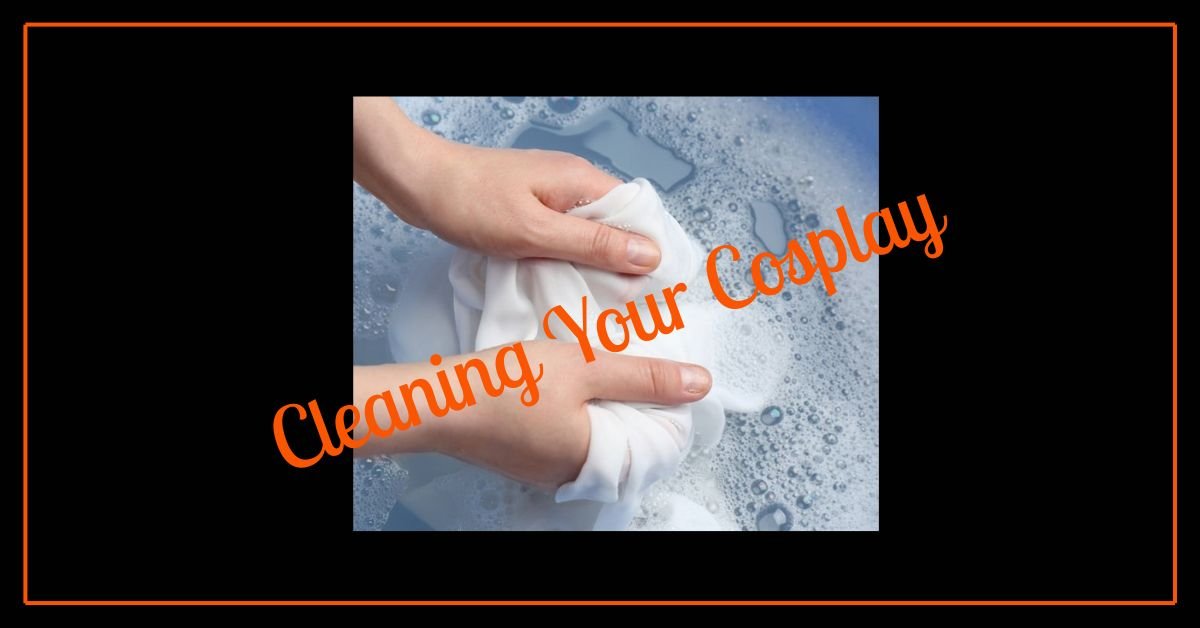
1. Hand Washing Delicate Garments
If your costume lacks rigid electronic components or heavy glues but is too delicate for a standard washing machine agitator, hand washing is the safest route.
- Preparation: Fill a clean basin with cold water.
- Detergent Selection: Add a small amount of gentle liquid detergent, delicate wool/silk wash, or mild baby shampoo.
- Color Preservation: If your costume features contrasting high-bleed colors, add a tablespoon of white vinegar to the wash water to help set the dye. For brightening whites without bleach, a small amount of laundry booster like Borax or OxiClean can be added.
- Washing Process: Turn the garment inside out. Gently submerge and knead the fabric by hand for 2–3 minutes, focusing on areas with direct body contact (armpits, necklines, waistbands).
- Rinsing: Drain the soapy water and rinse thoroughly with clean, cold water until no suds remain. Gently squeeze out excess water—never wring or twist delicate seams.
2. Spot Cleaning Localized Dirt and Stains
When dealing with small spills, makeup transfer, or dirt around hem lines, localized spot cleaning prevents unnecessary stress on the entire garment.
- Technique: Mix a few drops of gentle detergent or mild shampoo in warm water. Submerge a clean microfiber cloth into the solution, wring out excess moisture, and gently dab (do not scrub) the affected area.
- Rinsing: Follow up with a second cloth dampened with plain water to remove soap residue, then gently press with a dry towel to absorb remaining moisture.
- Commercial Stain Removers: While portable stain pens and wipes work well on basic cotton or synthetic garments, avoid using harsh chemical stain removers on delicate or specialty fabrics like silk, satin, or velvet. For tough makeup stains, specialty cleaners from theatrical or dance supply retailers offer high-potency, fabric-safe solutions.
3. Safe Drying Techniques
Never throw handcrafted or tailored cosplay pieces into a standard clothes dryer, as high heat can shrink fabrics, melt adhesives, and warp foam.
- Flat Drying: The safest drying method for almost all cosplays is laying the garment flat. Use a multi-tier mesh drying rack or lay the piece across a clean bed of dry towels.
- Air Circulation: Flip the garment periodically and swap out damp towels to ensure uniform drying and prevent mildew formation.
- Hanging Caution: Heavy, wet costumes (especially sweater knits or heavily embellished pieces) should not be hung on thin wire hangers, as the weight of the water can stretch out shoulder seams and alter the fit.
4. Disinfecting and Deodorizing Non-Washable Costumes
For armor pieces, lined jackets, props, and garments with glued details that cannot withstand water immersion, theatrical misting is the industry-standard disinfectant method.
- The Vodka Spray Method: Mix inexpensive, high-proof vodka (70% ABV / 140 proof or higher works best) with purified or distilled water in a 1:1 ratio within a fine-mist spray bottle. (Using distilled water prevents mineral deposits from tap water on your fabrics).
- Application: Lightly mist the interior linings, armpit zones, boots, and armor padding. As the alcohol evaporates, it kills odor-causing bacteria without leaving behind a alcohol scent or damaging structure.
- Boot & Helmet Maintenance: Lightly misting the interior of footwear, helmets, and wig caps between con days helps maintain freshness and hygiene across long weekend events.
5. Freezing for Bacterial Control
If you live in a cold climate or have access to a deep freezer, sub-zero temperatures can help neutralize odor-causing bacteria on items that cannot be washed or sprayed.
- Method: Place the garment inside an airtight plastic storage bag and seal it securely. Leave the item in freezing temperatures for several hours or overnight.
- Caution: Cold temperatures make materials stiff and temporarily brittle. Exercise caution when handling frozen items, as delicate hot-melt glues or plastic bonds can become fragile and break off if flexed while cold. Allow items to return to room temperature gradually before wearing.
6. Dry Absorbents for Leather and Armor Maintenance
Uncooked plain oats, baking soda, or specialty dry absorbents can remove surface oils and odor from leather, faux leather, and composite armor pieces without moisture exposure.
- Absorbent Bath: Place armor pieces or leather accessories inside a large, sealable container or bag filled with plain, unflavored oats or a bowl of baking soda (do not rub baking soda directly onto porous finishes).
- Resting Period: Seal the container and allow the item to sit for 24 hours. The dry material absorbs trapped oils and odors from the surfaces.
- Cleanup: Gently brush off all remaining particles using a soft-bristle brush or microfiber cloth. (Note: Ensure thorough brushing on dark-colored items to clear away any light powder dust).
Bottom Line
Taking the time to clean and care for your cosplay after every convention preserves your hard work, protects your investment, and keeps the convention floor clean and comfortable for the entire community.