
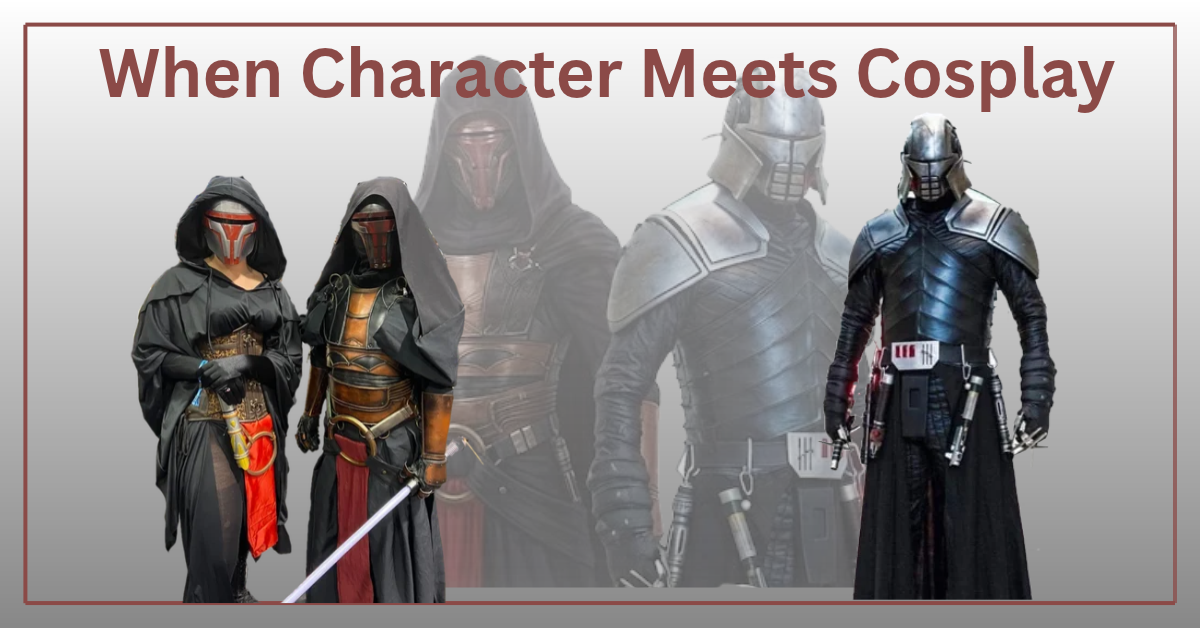
Star Wars cosplay has an obvious advantage: the movies gave fans some of the most recognizable silhouettes in pop culture. Darth Vader can enter a room and be identified before anyone has checked whether the cape is sitting correctly. Stormtroopers, Mandalorians and Jedi have decades of visual memory behind them. Yet convention floors also tell a more interesting story. Some of the Star Wars costumes people choose to build did not begin in a cinema at all. They began in video games.
That matters because a game character has to survive two transformations. First, artists design the character for a screen. Then a cosplayer has to ask a much ruder set of questions: What is that armor actually made of? How does the belt close? Can I sit down in this? Will that shoulder plate survive six hours in a convention hall? Looking across the chronological history of Star Wars games, the characters that travel best into cosplay tend to be the ones whose designs remain readable after the polygons disappear.
Revan Proved a Game Character Could Become an Icon
Revan is probably the cleanest example. Knights of the Old Republic introduced a character whose identity is tied to a small number of powerful shapes: the mask, the hood, layered robes and armored pieces underneath. You do not need a movie actor’s face to make the costume recognizable. In fact, hiding the face is part of the point.
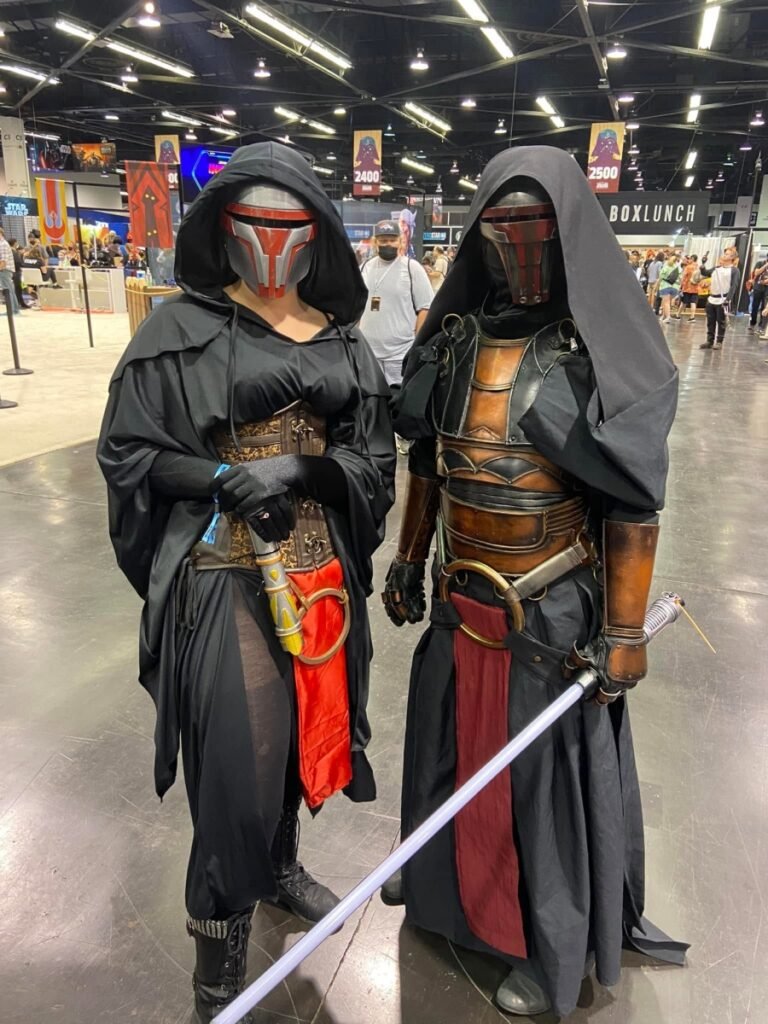
That is cosplay gold. A strong mask gives the builder a clear visual target, while the surrounding costume leaves room for interpretation. Fabric can be weathered, armor can be reshaped, proportions can change, and the character still reads as Revan. This is also where practical craft knowledge takes over from concept art. A design that looks heavy on screen often becomes much more wearable once a builder starts thinking in EVA foam, layered fabric and lightweight finishing instead of imaginary Sith metallurgy.
Delta Squad Turns Uniforms Into Personalities
Republic Commando solves a harder costume problem. Clone commandos begin with almost the same body shape, helmet and armor language. Delta Squad then has to make Boss, Fixer, Scorch and Sev look like individuals without losing the impression that they belong to the same military unit.
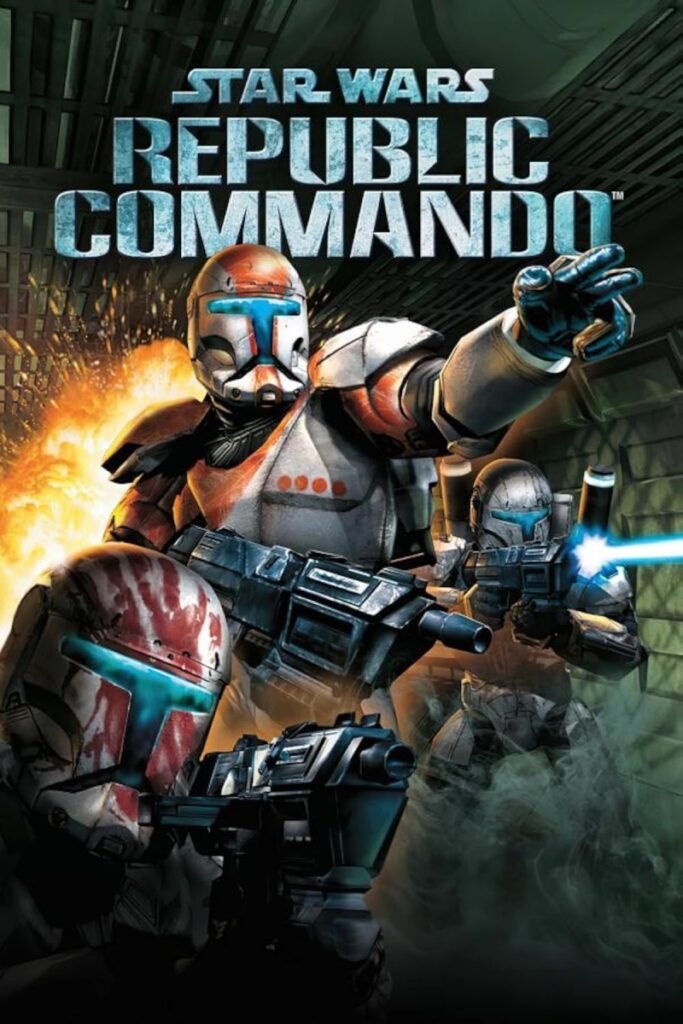
The answer is exactly the sort of thing cosplay notices: color placement, surface damage, equipment, silhouette and small personal details. One armor template can become four characters. That makes Delta Squad especially satisfying for group cosplay because the costumes are connected before anyone poses for the first photo. It also mirrors what happens on a busy convention floor, where first-time cosplayers and veterans can share the same space without needing the same budget, skill level or approach.
Starkiller Is a Costume That Looks Lived In
Starkiller from The Force Unleashed is almost the opposite of Revan. The character is not defined by one perfect mask. His visual identity comes from layers: wraps, straps, armor plates, dark cloth, exposed equipment and lightsabers that look as though somebody expects to use them before lunch. Different costumes across the games give cosplayers options rather than one sacred blueprint.
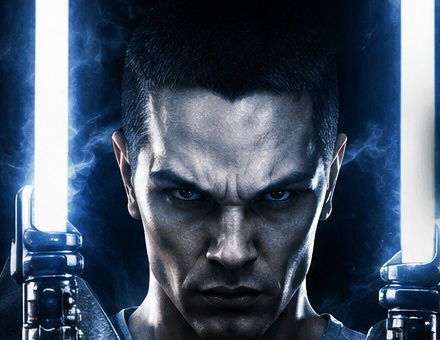
That sort of design benefits from weathering. A perfectly clean Starkiller outfit can look strangely wrong because the fiction is built around movement, combat and damaged places. Scuffs and uneven fabric are not mistakes to hide. They are part of the story. Modern convention craft also makes the technical details easier to approach. 3D-printed accessories, lightweight armor and custom electronics mean a game design that once existed only as a render can now be broken into printable, sewable and paintable problems.
SWTOR Turned a Whole MMO Into a Costume Rack
Star Wars: The Old Republic pushes the idea even further because an MMO needs dozens of recognizable visual identities at once. Darth Malgus has the armored respirator and heavy Sith silhouette. Jedi and Sith classes build their own visual languages through robes, masks and armor sets. Bounty hunters, troopers and smugglers all need to look different while still belonging to the same galaxy.
For cosplay, that abundance is useful. It means fans can choose a famous named character or build something that feels authentically Old Republic without copying every pixel. That is one of the healthiest parts of cosplay in general. The costume is not a casting test. A useful point from conversations about DEI in the cosplay community is that people do not need to match a character’s body, ethnicity or background to inhabit the design. Games already train us to understand that idea. The player steps into the character first. The costume simply makes the step visible.
Cal Kestis Shows Why Small Details Matter
Cal Kestis is a newer kind of cosplay-friendly Star Wars hero. His original Fallen Order design is not built around ceremonial Jedi robes. It looks practical: scrapper clothing, utility layers, a worn lightsaber and BD-1 riding on his back. In Jedi: Survivor, the customization expands further, giving fans several ways to make the costume recognizable without turning it into a uniform.
BD-1 may be the secret weapon. Put the little droid on a shoulder rig and the whole costume becomes readable from across a hall. That is the same reason a good prop often matters more than perfect tailoring. Cosplay works at walking distance first, in photographs second, and under forensic inspection by somebody with seventeen reference screenshots only much later.
The Convention Floor Finishes the Design
This is why game characters escaping into cosplay is more than merchandising with extra glue. Once a character reaches a convention, the design stops belonging only to the original model sheet. It gets translated through foam, fabric, printers, makeup, mobility needs, budgets, body types and personal taste. Every version answers the same question differently: what are the few details this character cannot lose?
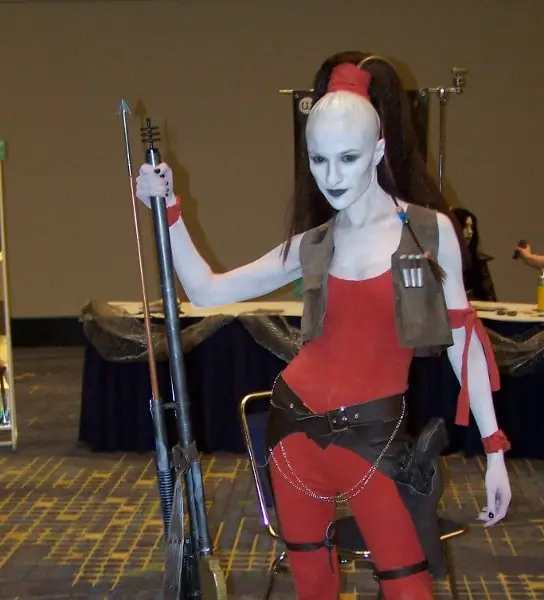
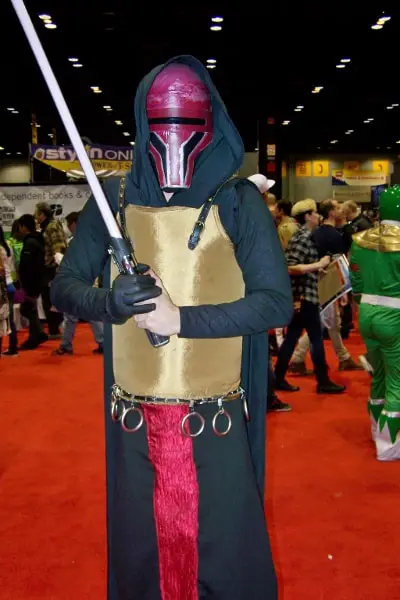
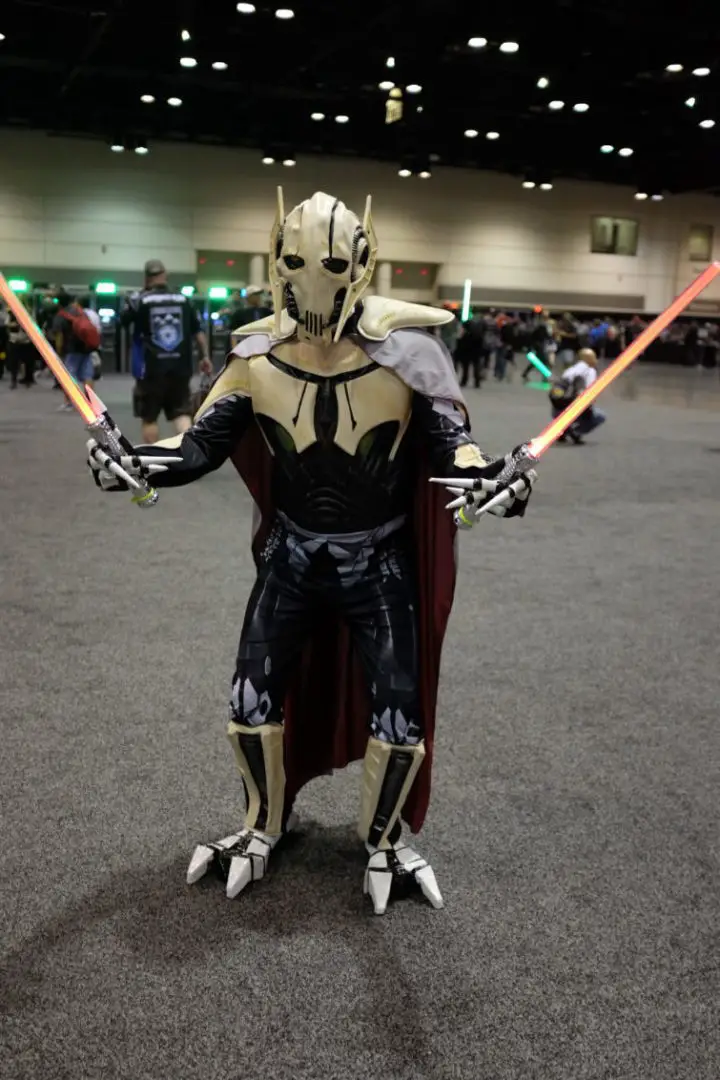
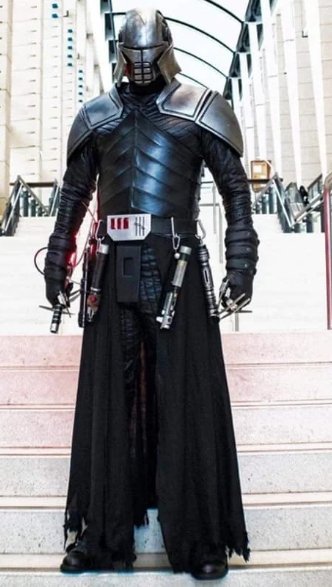
The cosplay convention list is full of places where those translations meet in public. A Revan built from carefully layered leather can stand beside a first-time foam build. A Delta Squad group can discover that one member’s helmet is slightly larger than everyone else’s and decide that canon will survive. A Cal cosplayer can spend months engineering BD-1 or simply strap on a good-looking backpack and let the audience do the rest.
That may be the final reason Star Wars game characters travel so well. Games already ask us to inhabit them. Cosplay just removes the monitor.
About the Author
Søren Ahrensborg Kamper has written about Star Wars games, their history and their communities since 2009. He edits Star Wars: Gaming, an independent publication covering more than four decades of Star Wars video games.